Background
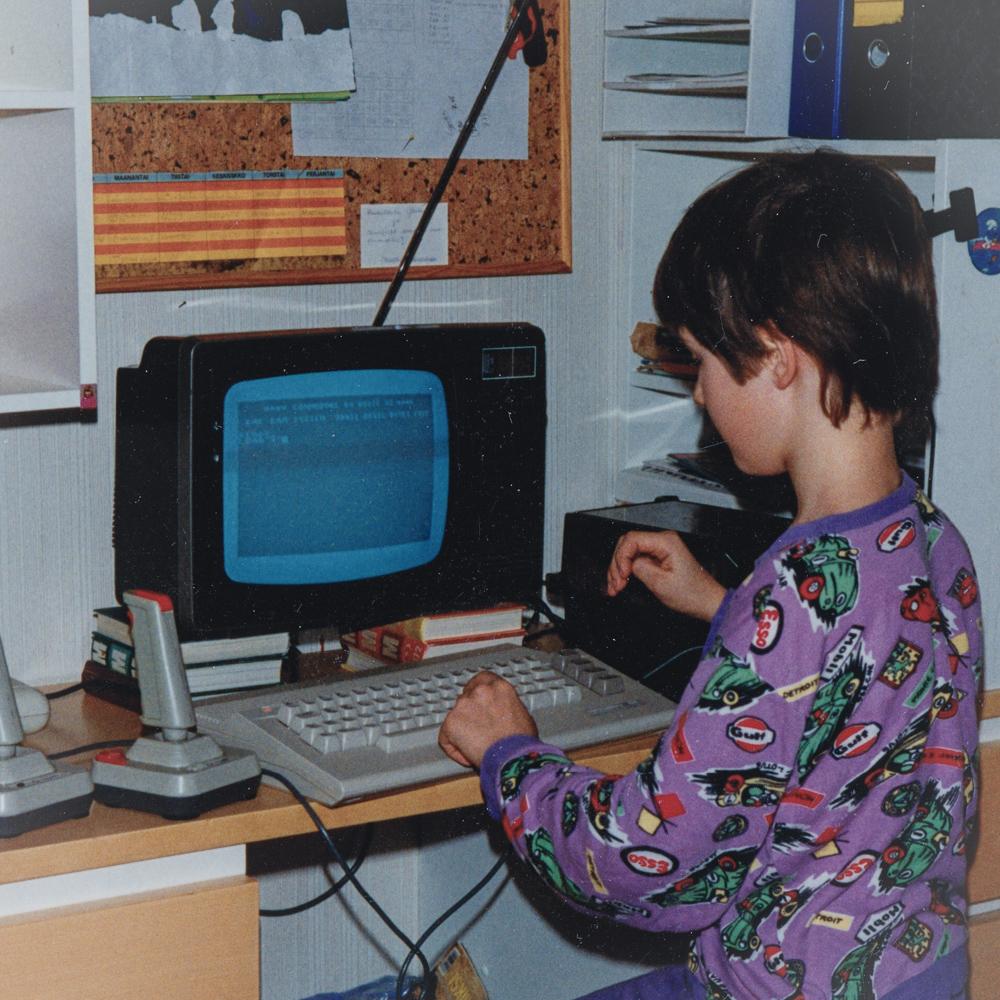
Early years in software, digital services, and building technical systems.
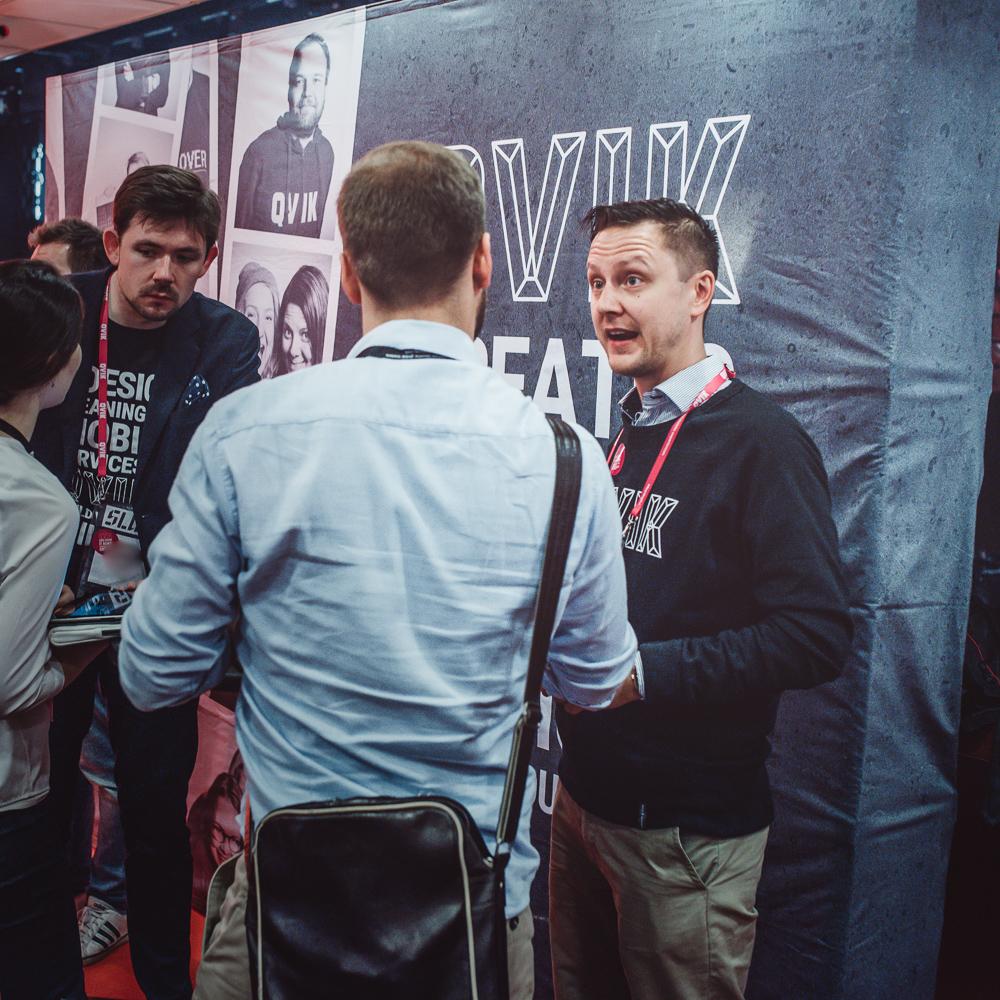
2013–2018 Qvik
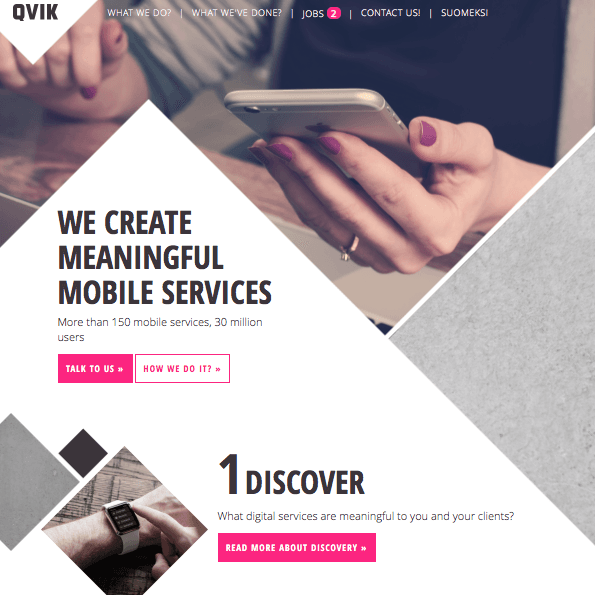
Before moving into independent consulting, I returned to my roots in service development, emerging technologies, and growth companies. Qvik is a Finnish consultancy specializing in mobile application design and development.
In this environment, I often independently managed client engagements where small teams (1–3 people) developed new services and product concepts through rapid iteration. Technically, my focus was mainly on web, backend, and cross-platform solutions.
2008–2013 Kronodoc
Kronodoc provided document and information management solutions, mainly for industrial clients. Despite its small size, the company offered a front-row seat to large-scale industrial environments.
My work involved problem-solving around processes and data, product customization, and project leadership.

2002–2008 Mobile Avenue
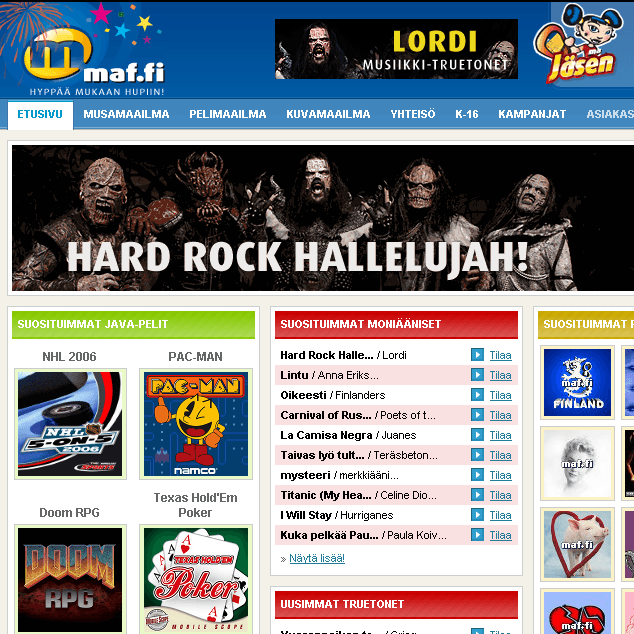
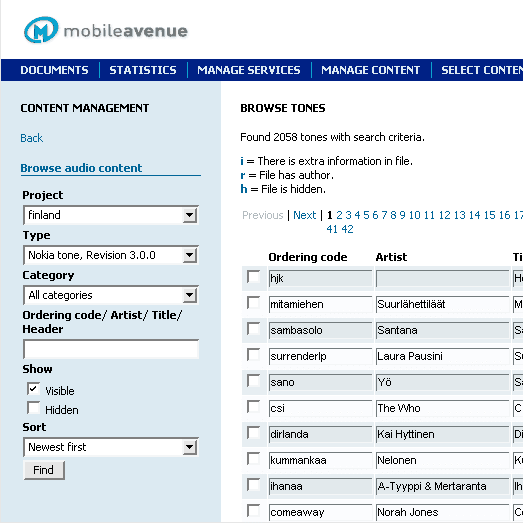
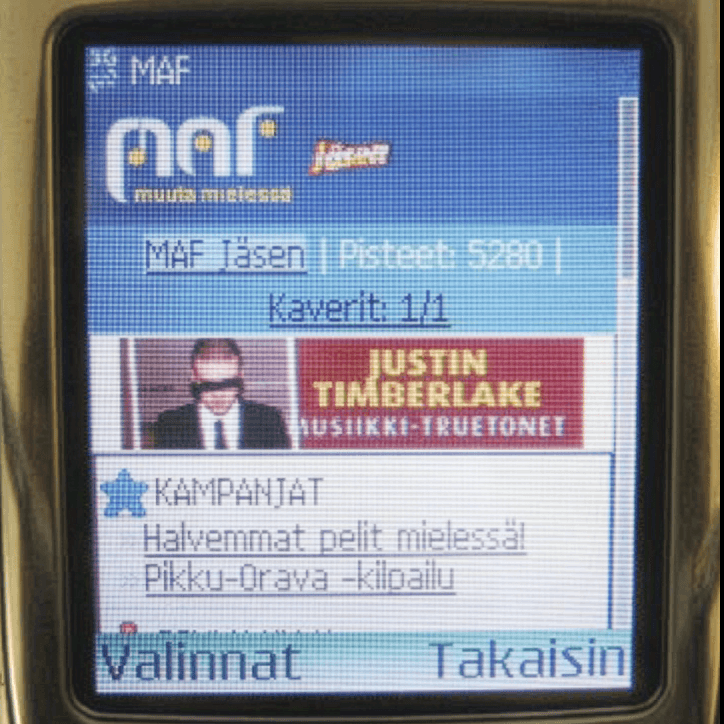
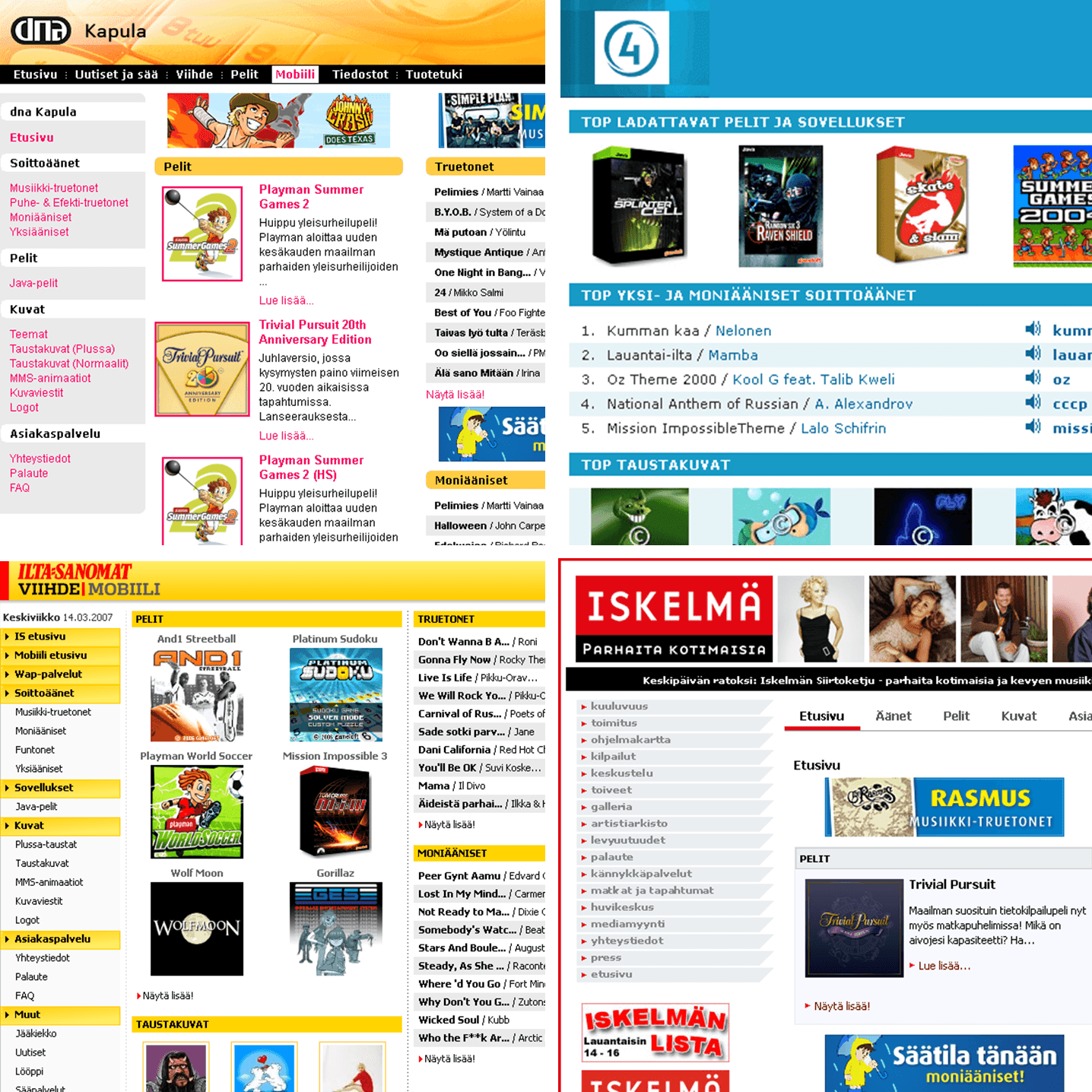
At Mobile Avenue (MAF), I joined at the founding stage, first as a developer and later as the tech team lead. The company’s lifecycle closely followed the rise of Nokia mobile phones, which were dominant globally at the time.
We delivered a wide range of SMS-based services — from TV voting systems to poetries and downloadable mobile games.
One notable innovation was a type of ringtone designed to resemble birdsong, which gained international attention. The systems we built and the early-stage nature of the work are still something to be proud of. In terms of volume, we were often among the top three service providers in operator statistics.
1998–2002 Artic.net
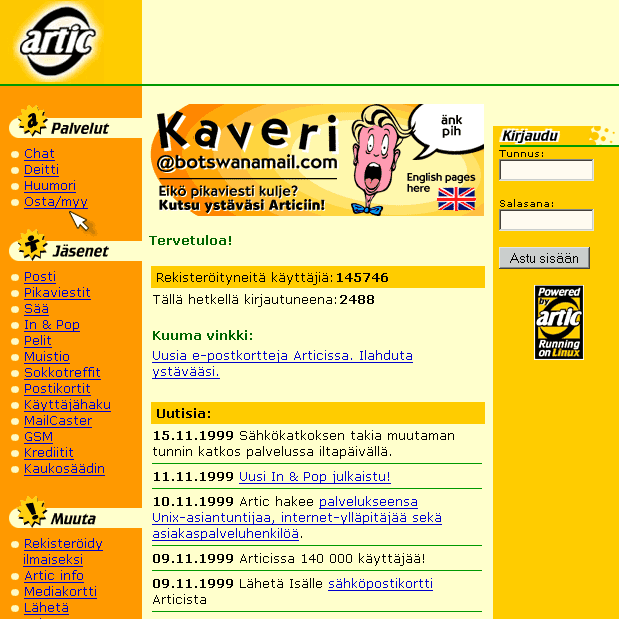
The story began when Ilkka Lavas asked if I could build a webmail service similar to Microsoft Hotmail. I said I would try to build a better one.
I ended up assembling a working prototype with what was, at the time, a more intuitive user interface than its reference point. Looking back at the code today would probably be a humbling experience.
At this stage I was still a teenager, considering paths toward either business or design. Still, I ended up building what is believed to have been one of the first publicly available webmail services in Finland.
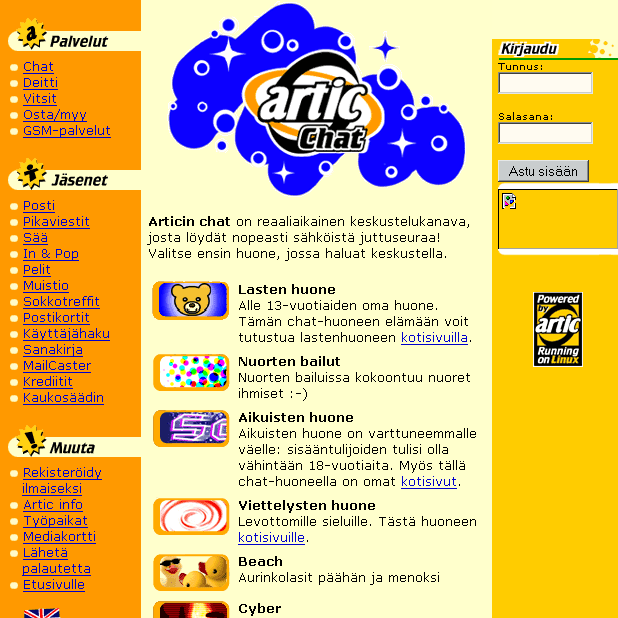
The defining trend of that era was web portals. The idea was to compete for becoming the user’s browser homepage. The more services a portal offered, the more likely it was to attract and retain traffic — and traffic we did get.
In addition to webmail, the service offering was broad, primarily targeting users aged roughly 15–25. It also included elements that today would be described as social media.
Running the service required a team of around 20 people. It’s a bit of a missed opportunity that, at the time, there wasn’t yet the capability to turn it into a sustainable business.