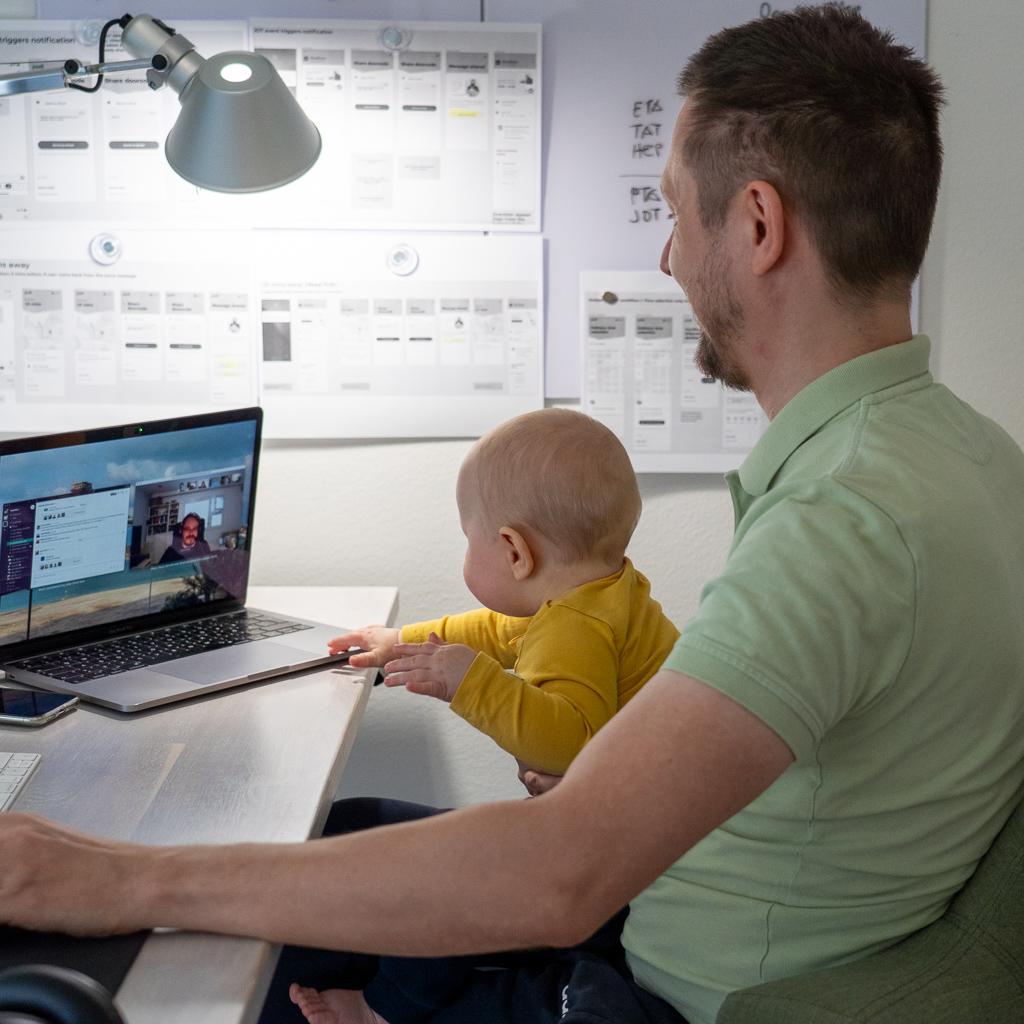
Posti – digital services in transition
A digital services project focused on bringing clarity and momentum during a period of organisational and brand transition.
Some time has passed since the project was completed, but it still serves as a good example of a successful software development engagement. The technologies have remained relevant, the project took place during an interesting period of transition, and the client is widely known. I worked on the project in the role of a software developer consultant.
Context of the Time
During the project, Posti was clearly in a state of transition. Demonstrations were held in front of the headquarters, repeatedly making national news. In the background was the rapid decline of letter mail volumes and the structural changes caused by it.
At the same time, home delivery was still the default assumption for parcel delivery, and digital services were being developed in a phase where new operating models were only starting to take shape. Many solutions that later became commonplace were not yet self-evident.
Project Background
The goal of the project was to renew digital services related to parcel reception from both a technical and a brand perspective. During the work, Posti’s visual identity and tone of voice were changing, which also influenced the solutions being made.
The scope included user interface development, harmonisation of components, and clarifying existing solutions.
Role and Responsibility
I joined the project after it had already started, at a point where the overall situation was still unstructured and in need of clearer direction. I began working as a software developer consultant, with my responsibilities initially focused on front-end development.
As the project progressed, my role expanded into understanding the broader whole, contributing to technical direction, and participating in practical decision-making together with other stakeholders.
The work involved both building new solutions and developing existing code further. The focus was on sustainable and easily maintainable solutions, and on moving the work forward in a determined way in a situation where the overall effort needed rhythm and clearer structure.
Technical Implementation
The technical solution was built using modern web technologies. Decisions were made pragmatically, with an emphasis on clarity and long-term maintainability. Component-based thinking and shared practices supported the team’s work.
Storybook was used to document and develop UI components, which improved collaboration, reduced ambiguity between different parties, and made development work smoother.
Outcome and Reflection
The project progressed on schedule and met its goals. The end result was a clear, functional whole that was easy for users to adopt. In retrospect, the project shows that even solutions born in unclear and partially shifting conditions can be long-lasting and effective when the overall picture is gradually structured and the fundamentals are done well.
At the headquarters, there is a space where significant moments in the organisation’s history are documented. During the project, it became clear that we were living through a point of transition that will later be seen as part of this continuum — a moment when a letter-mail-based operating model began to give way and the practices of a parcel-rich everyday reality started to take shape.