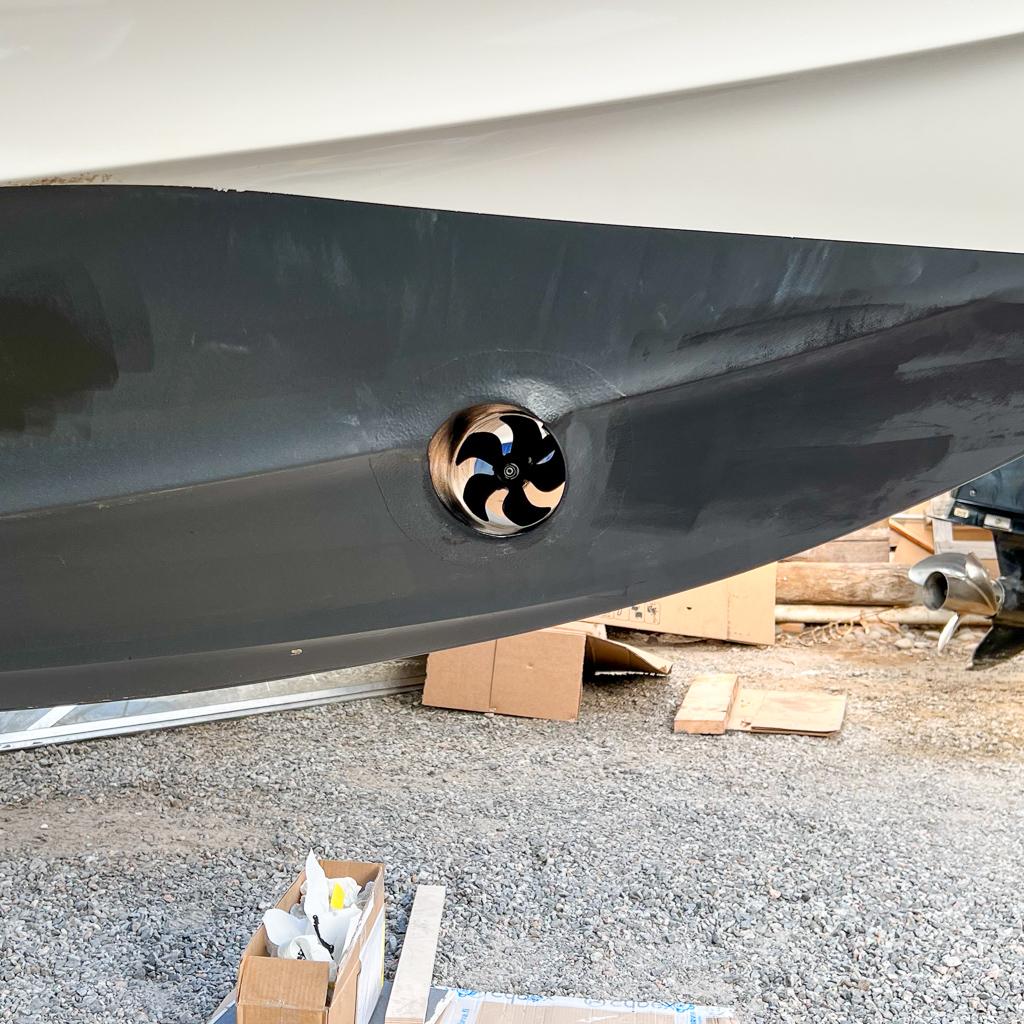
Bow thruster system upgrade
Replacement of the bow thruster and modification of the control system
A boat can be either a dream or a nightmare for a DIY-minded person – often both at the same time. This project eventually turned into an article because it was neither a routine maintenance task nor a clearly scoped job. Instead, it was a process where the true extent of the work only became apparent along the way. The subject was a broken and structurally weak bow thruster system, whose repair required applied problem-solving across several domains.
The unattractiveness of the project is perhaps best illustrated by the fact that several boatyards declined to provide a cost estimate or take on the work at all.
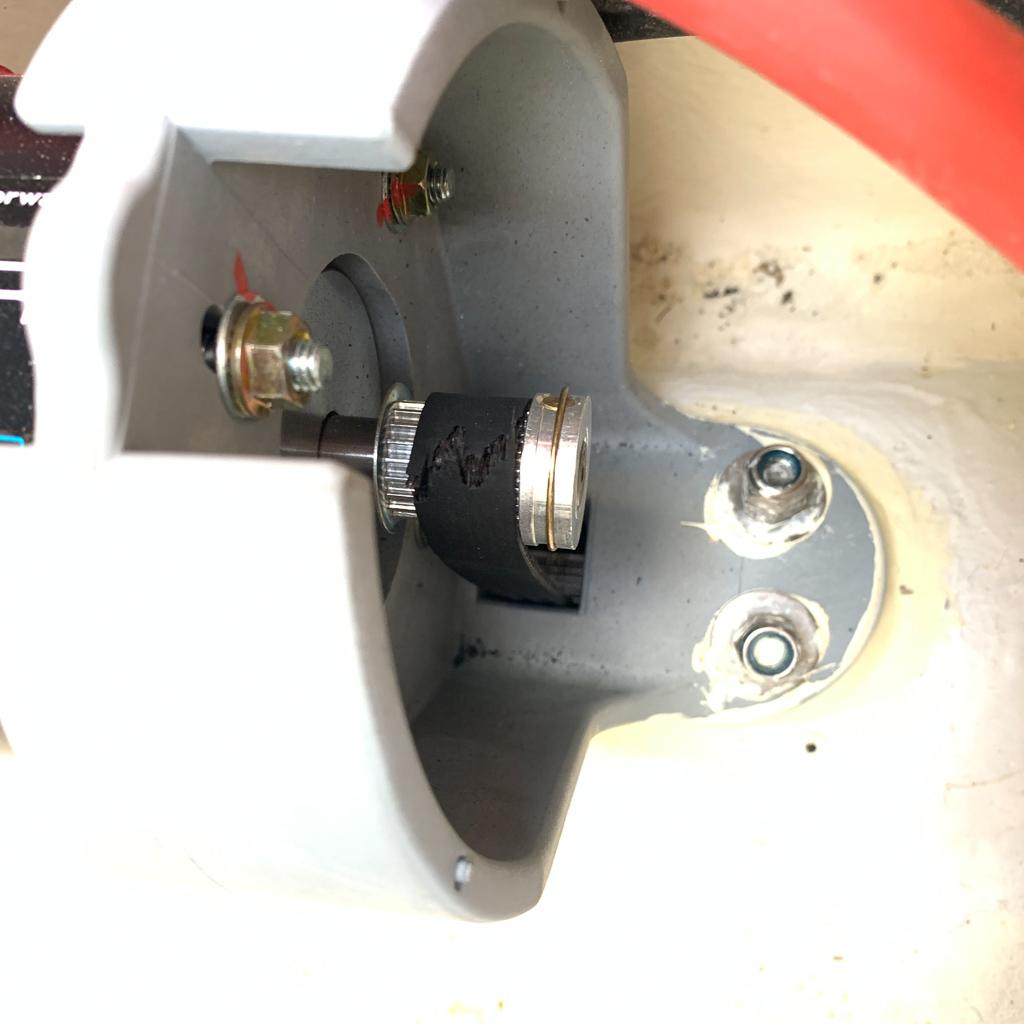
Original design and recurrent failures
The original solution was based on an electric motor transmitting power to the propeller via a toothed belt. This allowed for a low installation height but proved to be mechanically under-dimensioned in practice. The belt had to endure abrupt motor starts, as no form of soft start was implemented.
According to the service history, the previous owner had already had the motor unit replaced under warranty, with an identical unit installed in its place. It subsequently failed again during our ownership.
Why a simple repair was not sufficient
Replacing the belt alone sounds reasonable in theory, but in practice it was not a viable option. The belt cannot be installed on the shaft below the waterline without opening the thruster tunnel. This joint is bonded and bolted to prevent leaks, making the operation inherently risky and requiring, at a minimum, lifting the boat out of the water.
Each lift, blocking and relaunch would have cost several hundred euros, making this approach both expensive and impractical.
A new implementation
The solution negotiated with the manufacturer was a direct-drive motor, supplied in limited numbers as a so-called drop-in replacement. The product was apparently inherited through corporate acquisitions, and the manufacturer openly acknowledged its shortcomings. The replacement motor was ultimately supplied free of charge in exchange for the old unit.
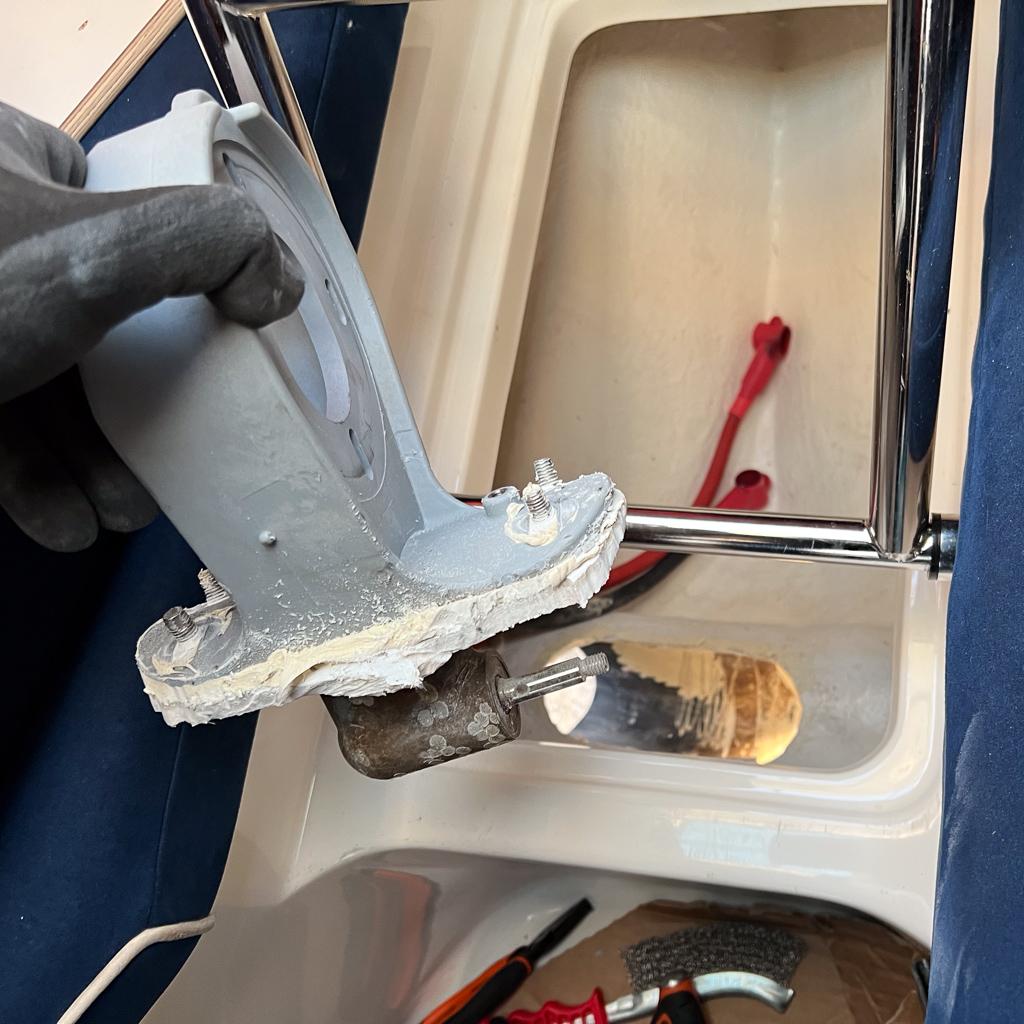
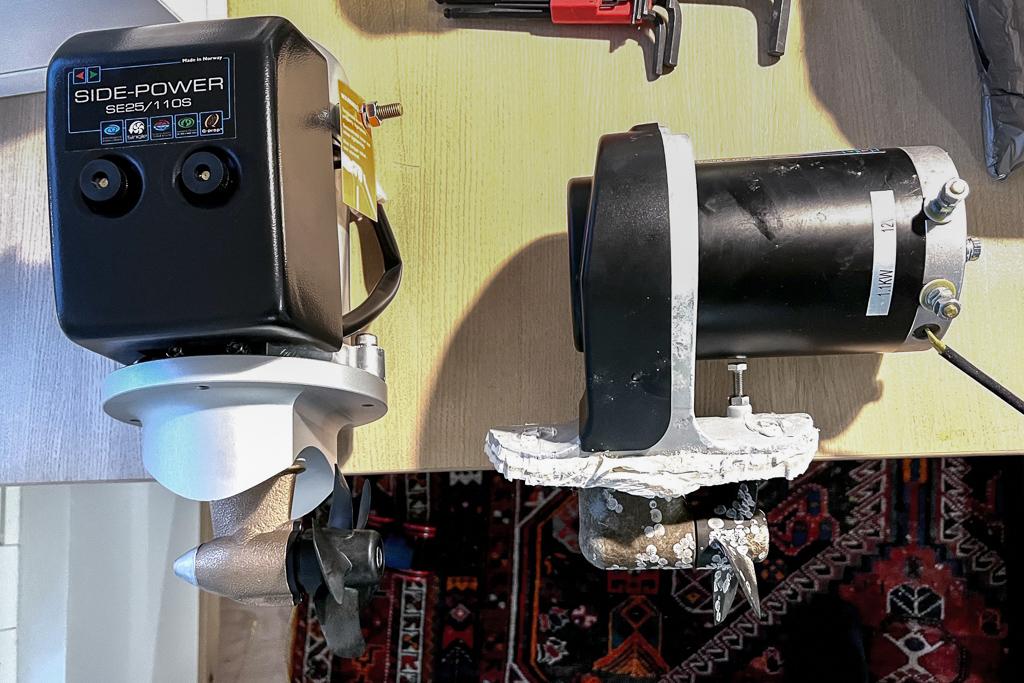
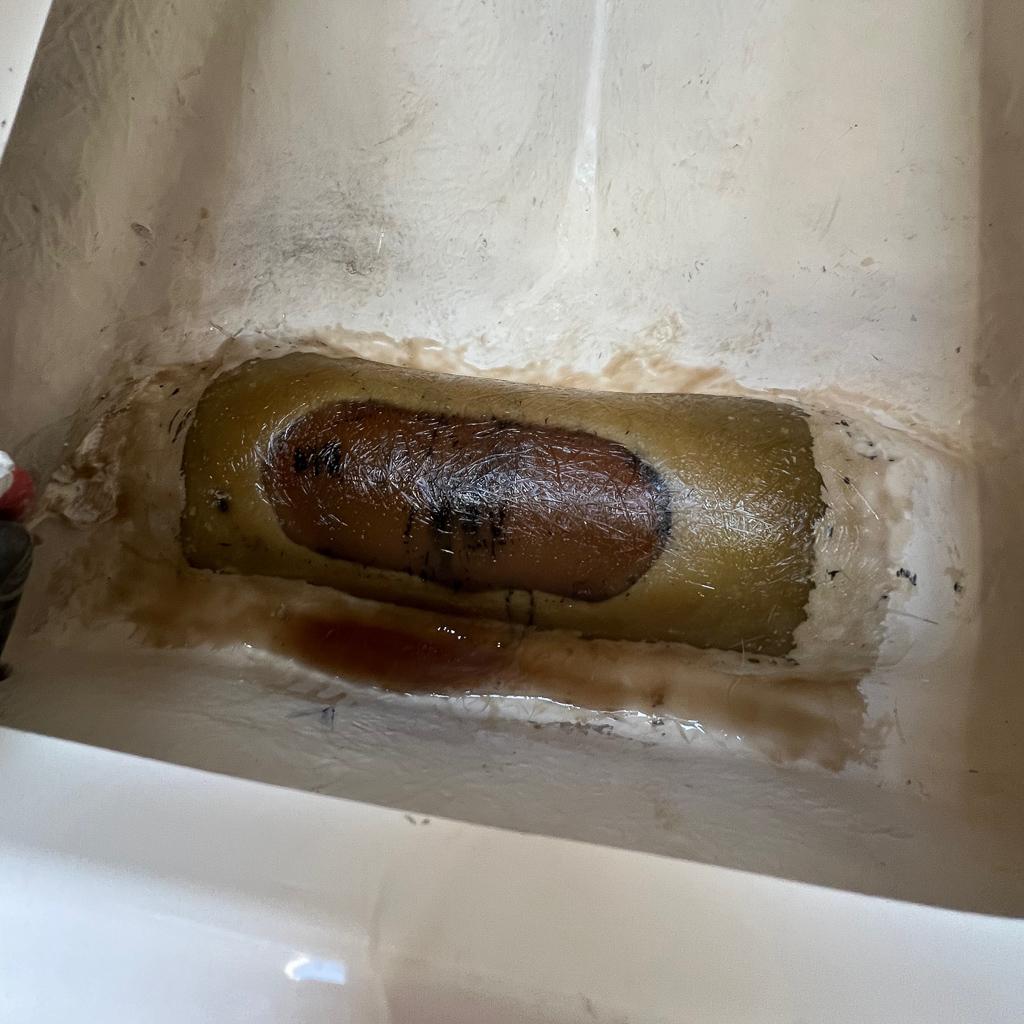
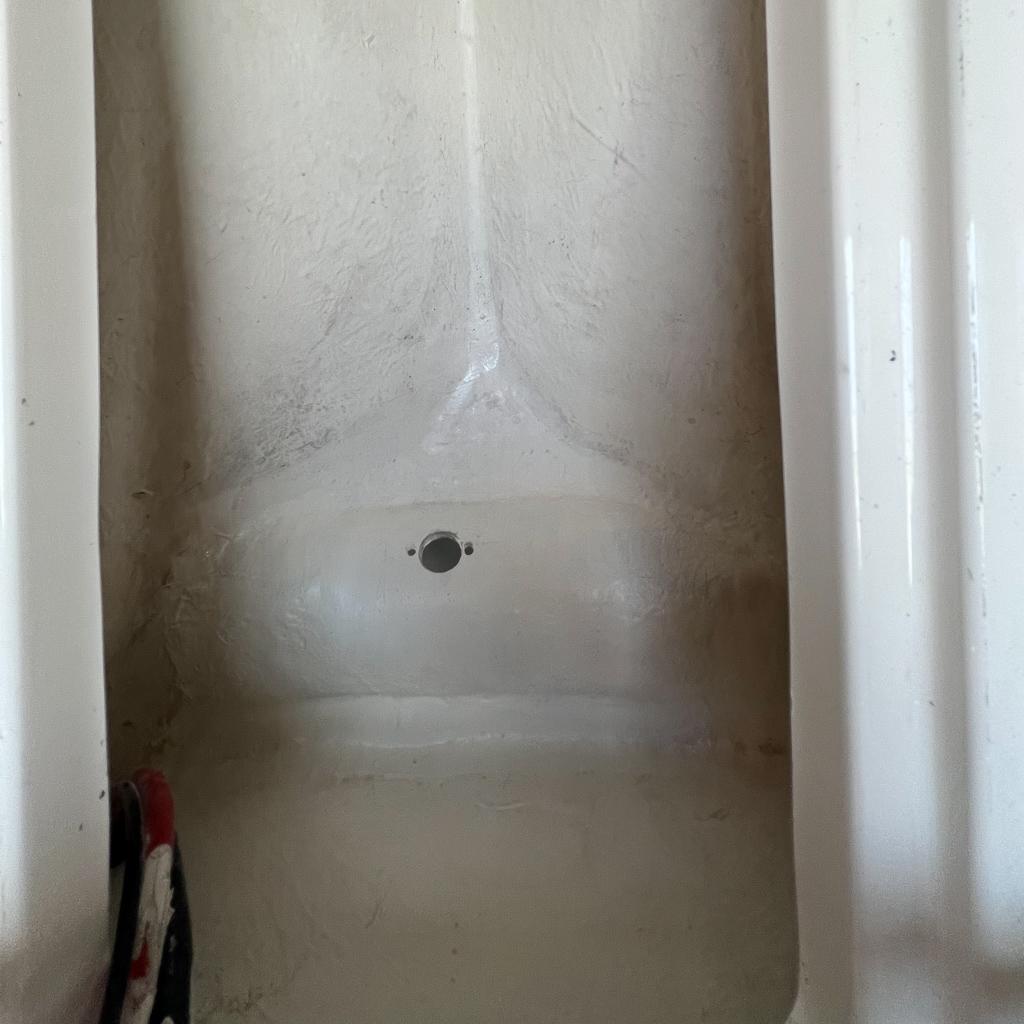
In practice, however, "drop-in" turned out to be more theoretical than real. The direct-drive motor was too tall for the allocated space, and the old motor could not be removed without cutting into the hull structure. The thruster tunnel had to be opened and re-laminated to match the original wall thickness and geometry.
The new installation was mounted at a forward-leaning angle. This reduced the required installation height without affecting the propeller shaft alignment. Final finishing on the inside was done using topcoat, epoxy, and antifouling paint inside the tunnel.
Electrical system and incorrect assumptions
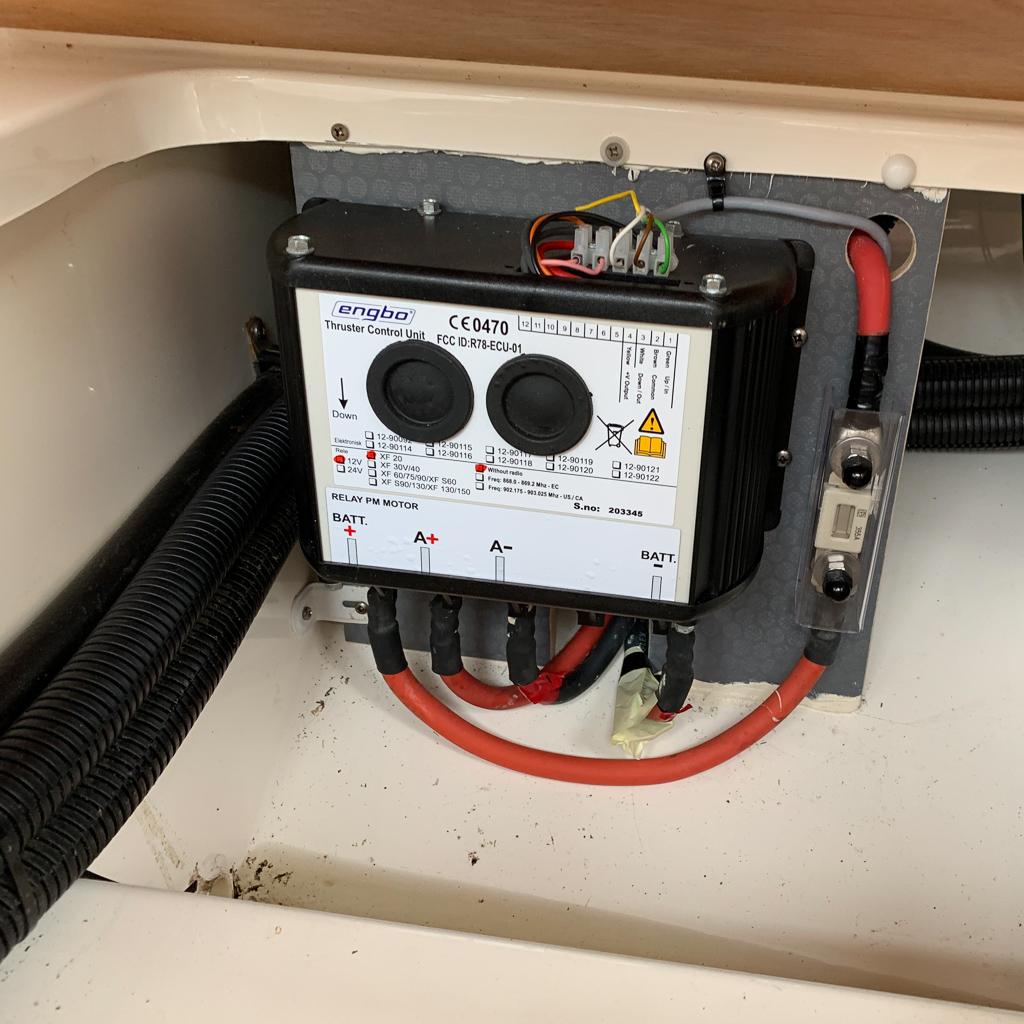
The clearest incorrect assumption during the project related to the electrical system. I had assumed the existing solution to be electrically standard. In reality, the original system relied on a separate relay box that started the motor by feeding it full supply voltage directly, with the rotation direction determined by polarity reversal.
The new motor required a dedicated control signal and would not operate on supply voltage alone. This led to a complete redesign of the electrical setup: the relay box was removed entirely, cabling was re-routed, and the bow thruster was connected directly to the battery via a dedicated fuse.
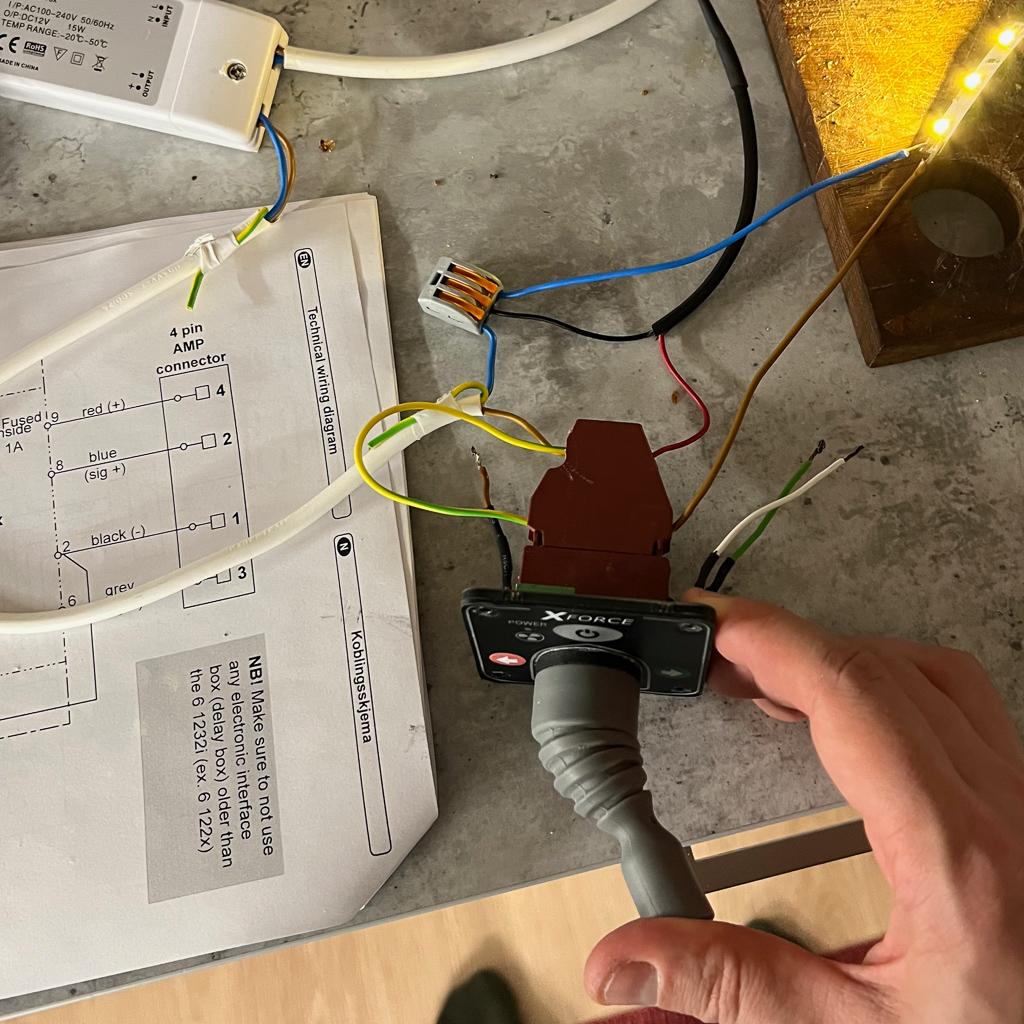
The existing joystick also proved incompatible, as it switched ground rather than the positive supply. Instead of purchasing a new controller, the joystick's mechanical switch contacts were modified directly. As a side effect, the joystick's on/off button was rendered inactive, but fortunately it turned out to be an unnecessary feature. The bow thruster can still be disabled via a dedicated switch on the electrical panel if required.
Outcome and lessons learned
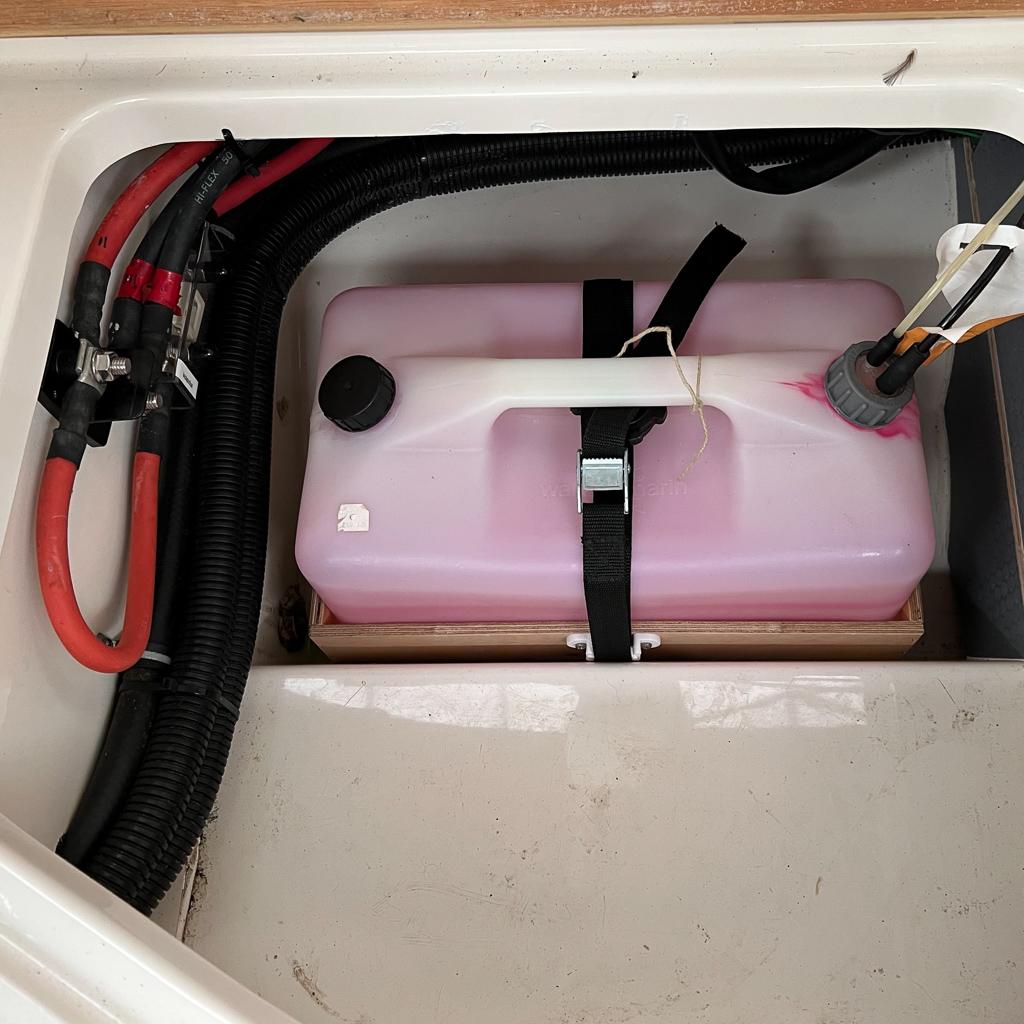
Finally, the motor was supported with a wedge-shaped brace fitted against the contour of the bow timber. Removing the relay system also freed up space, allowing the stove's kerosene tank to be relocated more sensibly and resulting in additional usable storage space.
The system has operated reliably for several boating seasons without technical issues. The new motor still lacks soft-start capability, so propeller grip could be improved, but the new five-blade propeller with a more advanced geometry is significantly more effective than the original.
For me, the bow thruster remains an assistive tool for tight situations rather than a primary means of control.
The project was laborious, but worthwhile and instructive. A reliable bow thruster adds peace of mind during docking manoeuvres, and the installation was approved as-is during the hull inspection by an experienced boatbuilder. No issues were found.